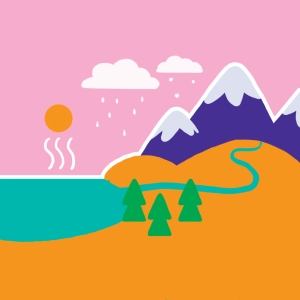
 Water cycle
Learning objectives
- to illustrate the natural cycle of water as it transitions between liquid, gas, and solid states while traveling between oceans, the atmosphere, and continents.
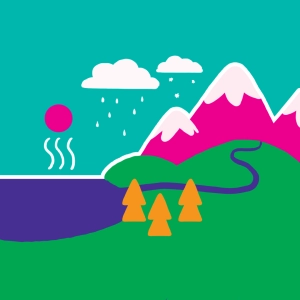
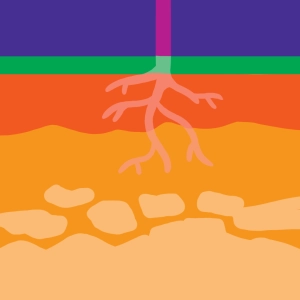
On Earth's surface, water is heated by the sun and evaporates into water vapor. As the vapor rises into the atmosphere, it condenses to form clouds, which produce precipitation (rain, snow, etc.). Some of this precipitation evaporates, while some seeps into the ground, either adding to the groundwater table or increasing the volume of glaciers. The rest is carried back to the sea by streams and rivers.

Discover EduMedia for free
The interactive encyclopedia that brings science and math to life in the classroom.
O v e r 1 , 0 0 0 r e s o u r c e s